My Dad had few memories of his mother and two of them involved food. The first was her sending him to the river to collect river rocks to place in the barrel of buckwheat flour to keep it from spoiling. His second memory was the taste of her Buckwheat cake. I make no claim about the effectiveness of My Grandmother’s method for keeping her flour from spoiling on warm spring days. I suspect my Dad’s memory was missing critical information.
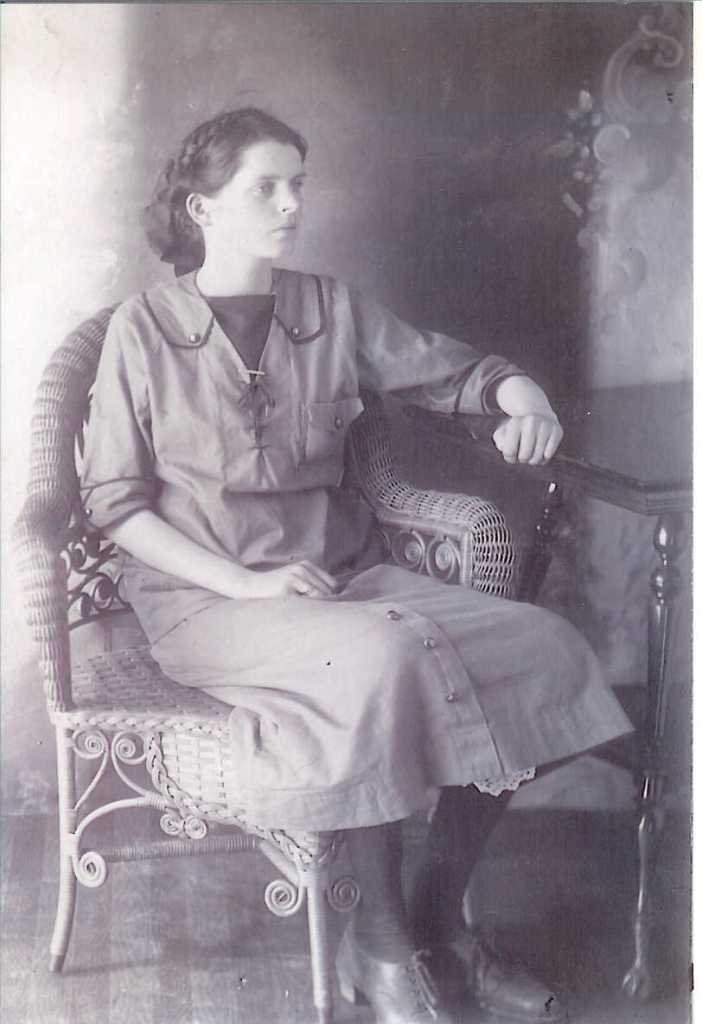
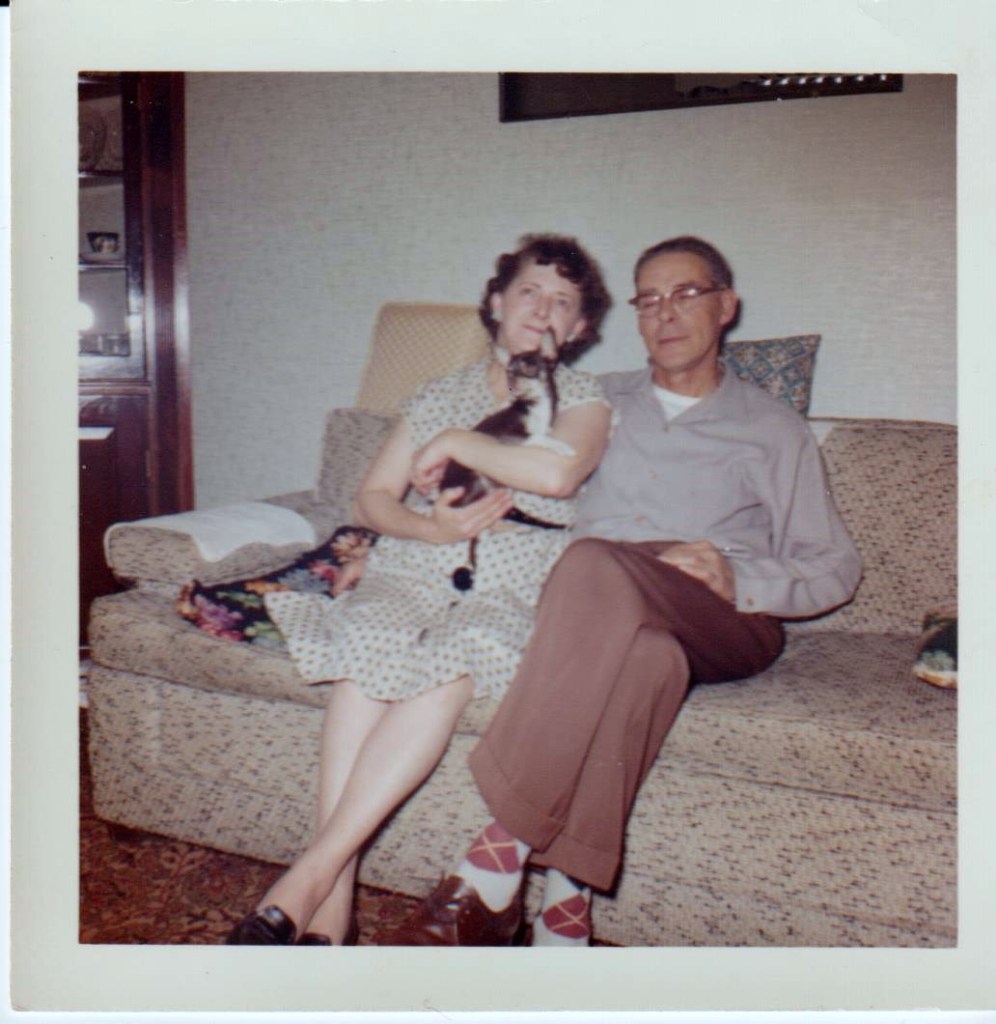
You see my Grandmother’s life was cut short by septicemia and flu. Blood poisoning from a splinter of wood in her finger, from scrubbing wooden floors left her with heart damage. A bout of flu complicated by the heart problems, 3 years later, her life ended. Florence Marjorie O’Donnell was born 13 April 1899 and died just a few months shy of her 36th birthday, when My Dad was just 10 years old. Florence was the forth child born to Alice Ann Lyons and Maurice Medley O’Donnell she lived, married and died all within the tiny central New Brunswick riverside community of Carroll’s Crossing. Florence’s family roots run deep in New Brunswick and like her New England Planter, Loyalist and Irish progenitors before her, she used Buckwheat to feed her growing family of 5 young boys.
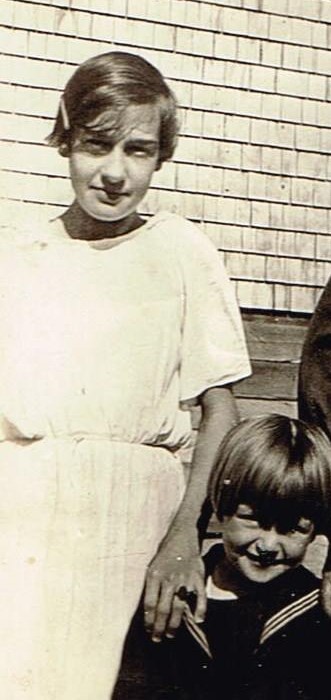
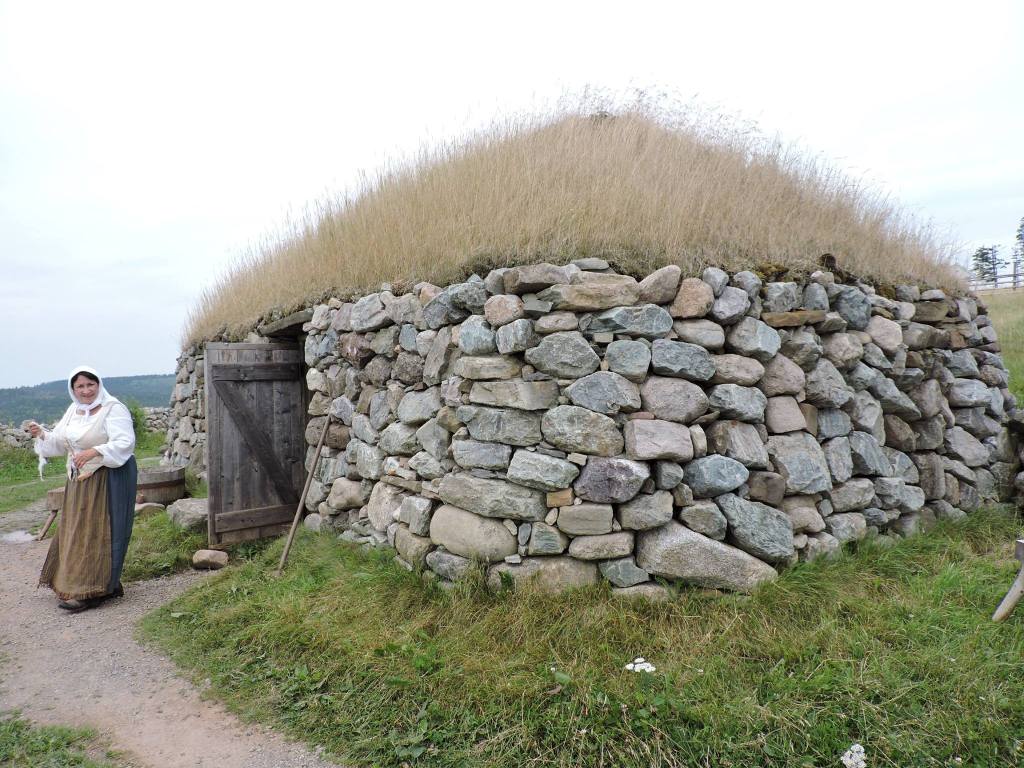
Buckwheat, a commonly used ‘false grain’ (its seeds can be processed in to flour and Groats), came to the Americas in the 1600’s, possibly earlier. Buckwheat had major benefits to European settlers, it is nutritious, has a short growing season and likes nitrogen poor soil. In the early years of the province it could be said the three staples of the New Brunswick diet were buckwheat, molasses and butter. And that is small wonder, they do taste wonderful together…
Buckwheat was once so widespread that almost every farm in New Brunswick grew a crop of buckwheat. Of course in those areas where the soil was poor and the growing season short it was a logical choice. That areas where wheat, oats, hay also grew well, buckwheat was grown for personal consumption proves role buckwheat played in feeding families. From farmhouse tables to Lumber camps buckwheat was eaten. Interestingly buckwheat was not sold as much as bartered. The market being limited to citizens of towns and lumber camps since most folks with any farming capacity grew their own. In the mid 1800’s New Brunswick farms produced enough buckwheat1 to provide the equivalent to 250 loaves of bread in pancakes for every man, woman and child in the province. Buckwheat pancakes were eaten several times each week. By the mid 1930’s far fewer were eating buckwheat but in communities where the combination of lumber work, a short growing season and nitrogen poor soil, buckwheat remained staple in many homes including those lining the Miramichi River. It would take until the mid 1950’s for buckwheat to lose its hold on most rural communities.
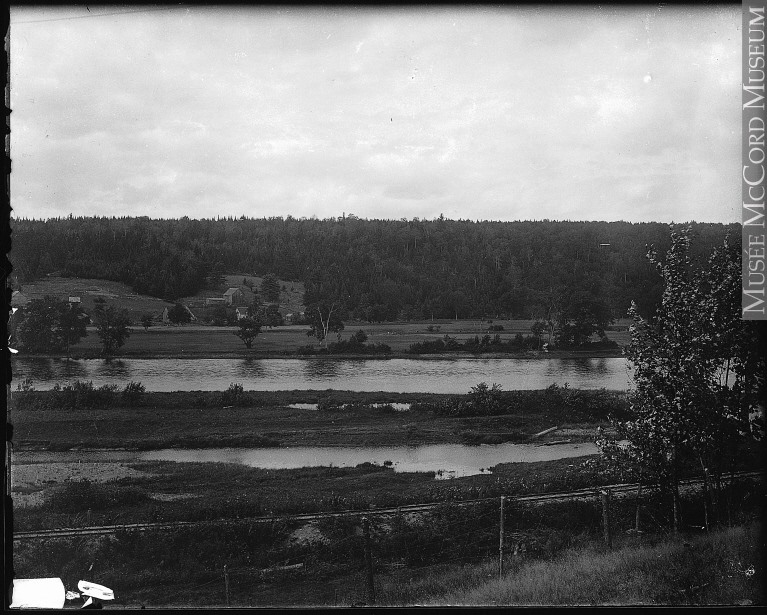
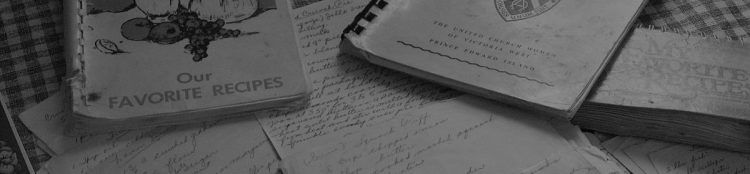
When my parents married, my Dad did not have access to his mother’s recipes, he had only memories. My Mum’s family did not have a tradition of buckwheat cake, pancakes yes, but not cake. Over the years My Mother hunted up recipes for and made many versions of buckwheat cake. Of course none of her efforts could quite compare with his young boy memory of his mother and the love she put in to her buckwheat cake.
Buckwheat, like many pseudo grains, when milled results in a heavier and darker flour than wheat flour. Cooks quickly learned that using a mix of buckwheat and wheat flour (when it was available) produced lighter baked products. In short they began stretching the wheat flour (which had to be purchased) with the buckwheat which could be grown or acquired thru barter. I suspect this complicated my Mum’s hunt for a suitable buckwheat cake recipe. My Dad was sure his mother used only buckwheat. I suspect my Grandmother used what she had available to her, which during the 1930’s might have included some wheat flour. Eventually, Mum gave up trying to satisfy an impossible task and decided this recipe was the one she would serve her family, and yes it includes wheat flour.
One final point before we look at the recipe, despite her early death Florence managed to engender a strong love for food in her boys. Three of her sons would go on to careers as cooks.
Buckwheat Cake:
Ingredients:
1 c all purpose flour
1 c Organic buckwheat flour
1/2 c white sugar
3 tsp baking powder
1/2 tsp salt
3/4 c whole milk
1 egg
3 Tbsp softened butter or margarine
Method:
1) Preheat oven to 350 degrees F. and grease a 9 ” x 9″ square baking pan.
2) Measure and sift the dry ingredients together into a bowl.
3) Cut in butter/margarine, add milk and egg. mix until incorporated. Do not over beat which will cause the cake to have a tough texture. Bake 30-40 minutes or until a tester inserted into the center comes out clean. Serve with butter and Molasses. Enjoy!
- T.W. Aceson (1993) “New Brunswick agriculture at the end of the colonial period: A Reassessment” Aadiensis XXII 2, page 11.
Florence’s Personal Profile:
Parents: Maurice Medley O’Donnell and Alice Ann Lyons
The Maurice M. O’Donnell and Alice Ann Lyons O’Donnell family:
- Frances Stilman m. Florence Julia Storey
- Clara Rebecca died young
- Weldon Medley m. Evelyn Storey
- Ethel Genevive m. Wilfred Knight
- Florence Marjorie m. Hollingworth Tully Lyons
- Edgar died young
- Keyes Charles Earl m. Hazel Jane Amos
- Christine Ann m. Edgar Bell
- Robert Gregory m. Margaret Amos
- Grace Murial m Harold Ward
- Louisa m. Ralph Craig
- Lillian Kathleen died at ~20 years
Florence O’Donnell and Hollingworth Tully Lyons family:
- Marple Lawrence m. Madeline Rhynard (divorced)
- Gerald Hollingworth m. Elizabeth MacDonald
- Leonard David m. Lillian Delores Harris
- Bernard Wellington m. Mary Priscilla Lyons
- Willard Bruce m. Evelyn Margaret Walls
- Rex Daniel died in infancy
- Clarke died as a teen from polio
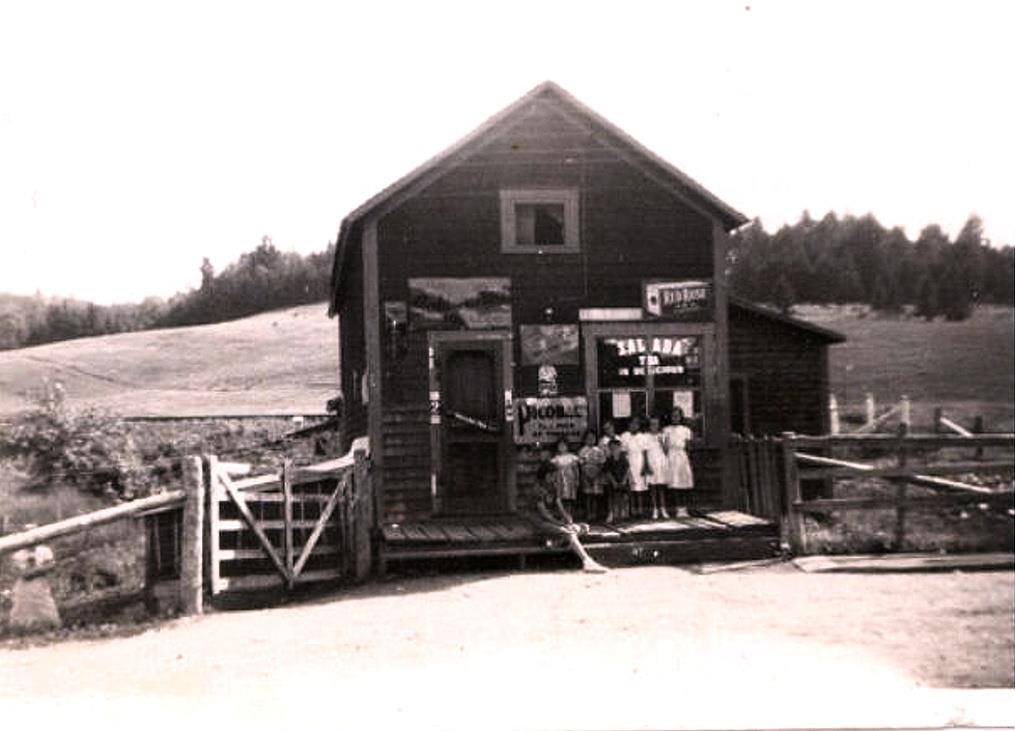
When Florence was born her mother Alice Ann was 27 years old and her father Maurice Medley was 32 years old. Florence’s father Maurice O’Donnell was a merchant, running a small community store. A middle child in a large family, Florence was reportedly a happy sweet natured girl with a tiny physical stature, although with a tendency to chubbiness at the time of her marriage.
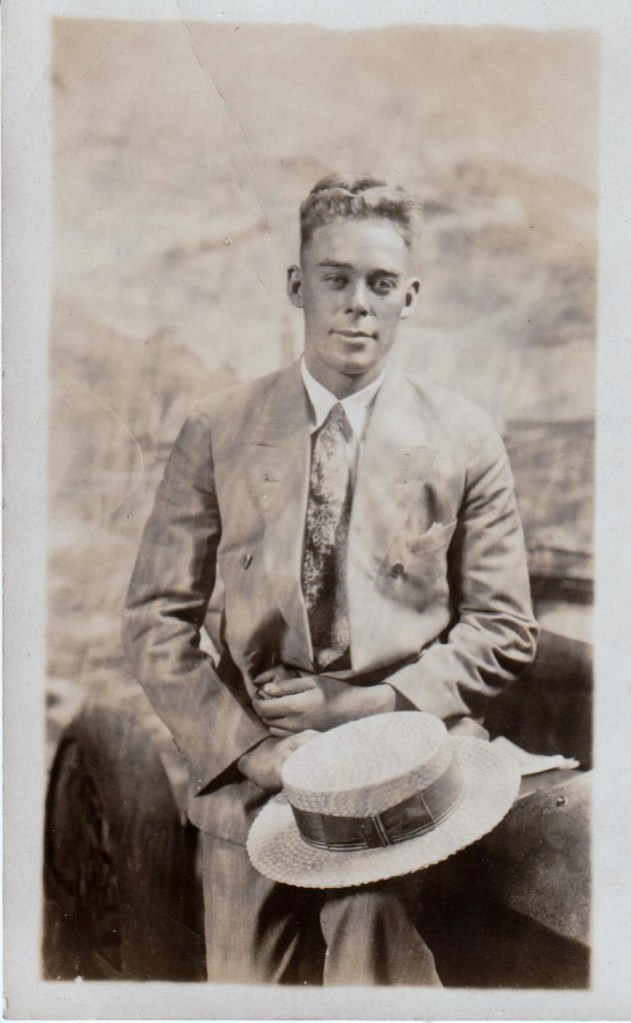
On 21 March 1917, 18 year old Florence married Hollingworth Tully Lyons, Tully was 29 years old. Tully and Florence appear to have settled on a portion the original land grant of Jeremiah Lyons which Tully had inherited from his Great Uncle William Lyons. Tully and his father David built the house in which Tully and Florence would raise their family, around the time of their marriage. The two generations would live in the one household, by 1921 their family had grown to include Marple and Gerald. Christina Lyons, Tully’s mother died no long after, leaving David to reside with his son and the growing family.
The challenges for Florence and Tully were many, but like most families at the time, challenges were eased by the support of their close knit family and wider community. David was not an easy man, aging and intolerant of the rambunctiousness of young children he did not make life easy for Florence. With Tully away for weeks at a time working in the lumber woods, it fell to Florence’s to manage the house and raise the children which had grown to include Bernard, and Leonard.
In 1924, Tully suffered a broken leg courtesy of a out of control team of horses. In addition to the real risk of infection, resulting in permanent injury or worse, the meager income they had known dried up. We know Florence did work outside of the home, doing housework, and helping to provide for her family.
In the fall of 1925 Florence gave birth to Willard two weeks later, still nursing her son, disaster struck again. Florence woke one morning with extreme abdominal pain and was quickly diagnosed as requiring immediate surgery for appendicitis. How would the baby fare, still dependent on his Mother’s milk? Florence must have been frantic facing the unknown of risky surgery all while fearing for her newborn’s well being. The task of weening the tiny baby fell to Alice, Florence’s Mother. Alice arrived, filled a bottle with cows milk placed a nipple on it and began to pace with the child in her arms. Each time she passed the dining room table she dipped the nipple in to the sugar bowl and then into Willard’s mouth. As she would remind him later, as soon as the sugar was gone his crying would begin again. Finally, after nearly 24 hours of pacing with the fractious child, Alice’s effort paid off, he took the bottle and drifted into an exhausted sleep.
Before long Florence would recover and in 1932 give birth to their youngest son Clark. In 1933 while working at the home of Stanley Lyons scrubbing floors, Florence picked up a splinter of wood in her finger. The small injury became septicemia, attacking her heart and leaving her with permanent heart damage. Three years later a bout of influenza would end Florence’s short life, her boys would loose their dear Mother and the only female presence in the home.
Florence’s ancestors in New Brunswick include Irish immigrants, Pre-loyalists. Anglican missionaries and United Empire Loyalists. Florence’s O’Donnell family arrived from Limerick Ireland sometime prior to 1812 when Patrick O’Donnell’s married Lydia Price, the Granddaughter of Rev Walter Price, a well known Missionary. Florence’s Mother Alice Ann’s family includes descendants of Elizabeth and Jeremiah Lyons, Jeremiah and Huldah Travis, as well as other Loyalist families.
A sad foot note to Florence’s death, Lillian, Florence’s youngest sister died 14 March 1932 at age 19 years, from a Scarlett Fever infection. A mere 19 months after Florence’s death, the family would loose her brother Keyes on 6 Oct 1936, leaving another young grieving family.
Carroll’s Crossing, Northumberland County, New Brunswick, Canada
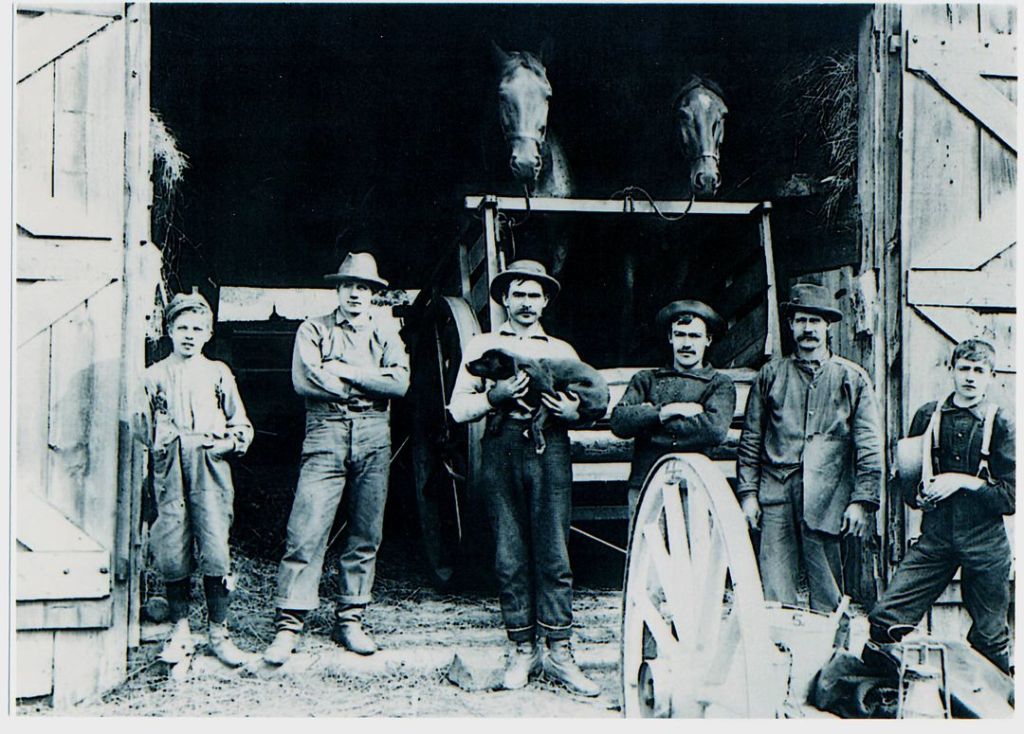
The tiny hamlet of Carroll’s Crossing, nestled on the steep banks of the Southwest Miramichi river, was settled by Europeans beginning prior to the first land grant in1809. The grant under the sponsor Ephraim Betts, includes some 60 parcels of land in the Upper Miramichi valley. The area which became Carroll’s Crossing is comprised of a handful of lots granted to Stephen Sutter, Francis Meuse, James Barcley, Widow Rose Smith, Jeremiah Lyons, William Betts and Azor Betts, lots numbered 58 to 64.
It is not as yet clear the extent to which some of these of Grantees engaged their property. Like many early Land grants, the practice of favouring influential and powerful individuals is demonstrated in the number of lots which were quickly sold, or transferred but not developed by the grantee. A case in point is the sale of lot 61, by Widow Rose Smith to Daniel Lyon, son of Jeremiah Lyons which occurred a mere 3 years after it was granted to her. It is important to remember the primary impetus for settlement of Northumberland county was the timber trade. In the period up to the Great Miramichi fire of 1825, the vast stands of virgin timber represented opportunity.
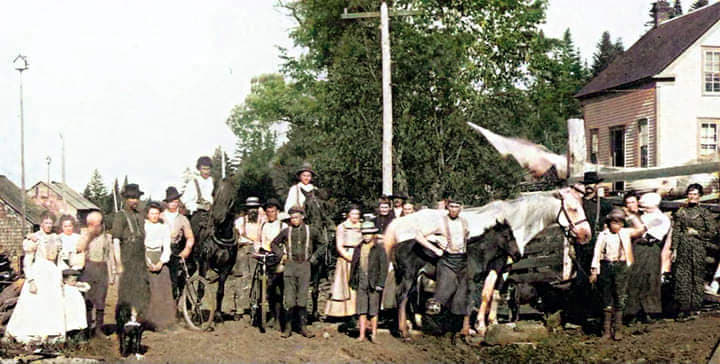
What we can say is that the family of Jeremiah Lyon and later settlers, did remain in the area and were part of its growth into a community which once boasted a school, church and post office as well as stores, sandstone quarry and a blacksmith. Most of the long term residents of Carroll’s Crossing engaged in the timber industry and subsistence farming. The steep side hill land soil is thin, and rocky but many grants had attached islands and river interval lands which although limited use for building structures because of spring flooding, provided rich soil for growing crops and for pasturing animals. Of course the water front lots were also favoured for their river access, for travel and for fishing. In addition to the Atlantic Salmon which was plentiful in the Miramichi River, the river provided other wild foods such as Fiddleheads greens.
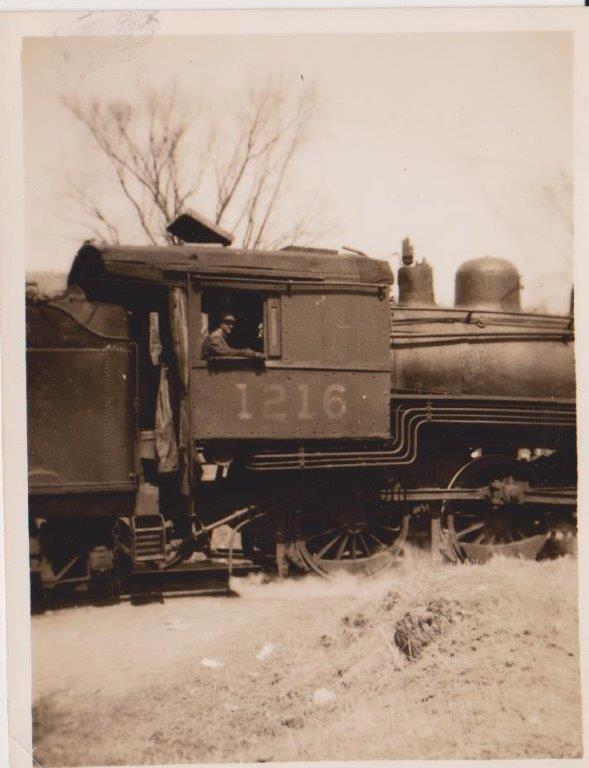
The arrival of the railway in 1870’s saw the area gain its name, as the story goes Thomas Carroll who along with his wife Elizabeth McKinnon Carroll settled on the land granted to Francis Meuse, objected strongly to losing his land. Apparently, Mr Carroll was somewhat appeased by the authorities deciding to name the community after him. How exactly Thomas Carroll whose Carroll family had settled down river at Howards, NB, came to choose the area to live is unclear, he did have family connections to the area. Thomas Carroll was Great Grandson of Jeremiah Lyons through his Grandmother Dorothy Elizabeth Lyons Kearney, one of Jeremiah’s daughters. There also appears to be connection to some of the Irish settlers to the area in particular the McNamee family. Regardless, the Carroll family would settle, share their name with the community and grow into the prosperous family, farmers and business owners of today.
Additional Resources:
Carroll’s Crossing School- https://www.historicplaces.ca/en/rep-reg/place-lieu.aspx?id=14064
Rural Community of the Upper Miramichi – https://uppermiramichi.ca/